From Tickets to Systems: How AI Is Reshaping the SDLC
It's a vibe: AI isn't just improving software development, it's fundamentally changing the software development life cycle.
What I'm seeing isn't about writing code faster. It's about rethinking how we plan, build, and deliver systems end to end.
The old model vs. the new
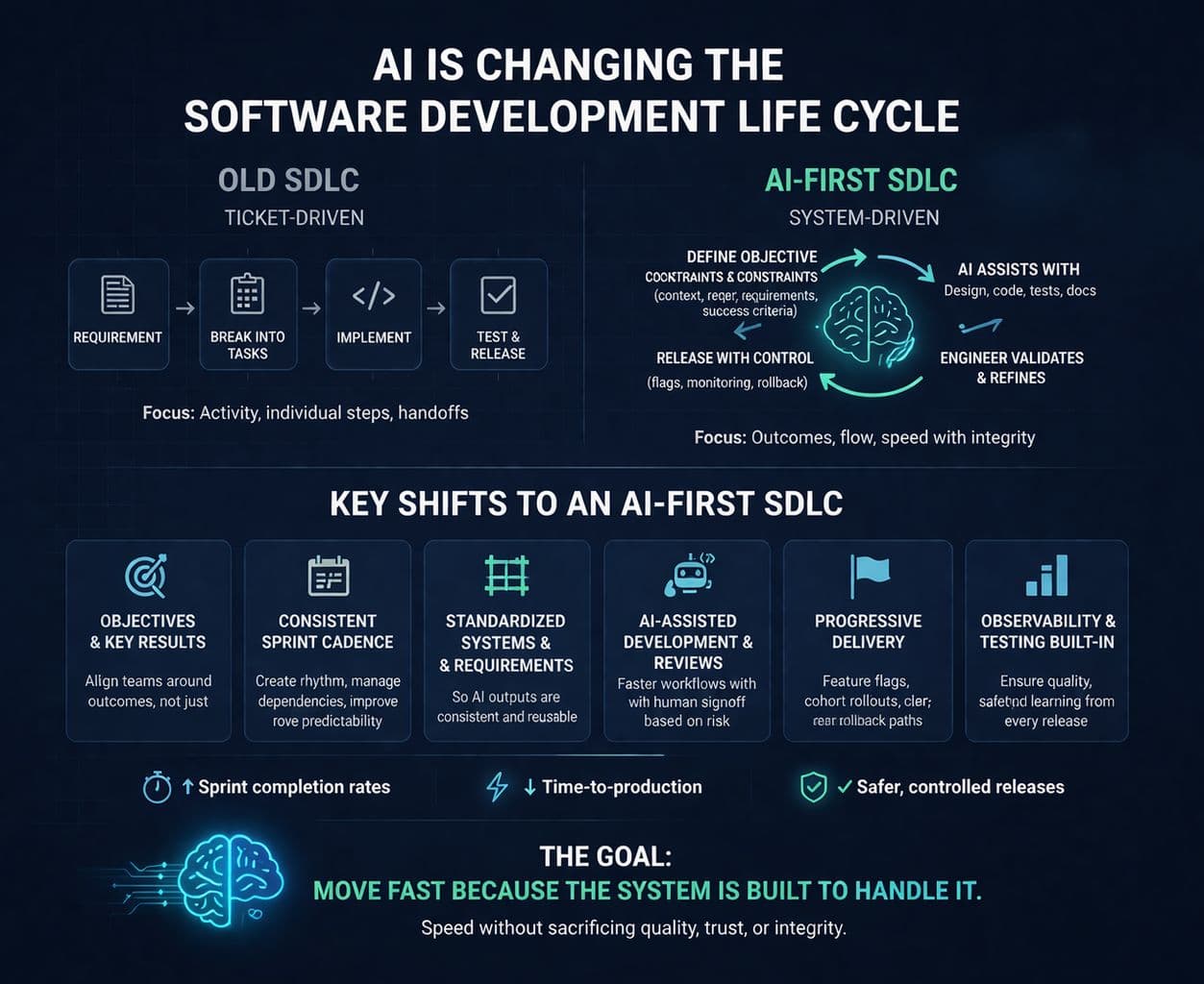
The old model was ticket-driven. Break work down, assign it, implement step by step. Focus: activity, individual steps, handoffs.
The new model is AI-first and system-driven. Focus: outcomes, flow, speed with integrity.
Engineers can now go from a loosely defined requirement to a working system in hours using tools like Claude Code and ChatGPT Codex. I recently built a working prototype of a very complex system. The difference wasn't just speed — it was consistency. When the structure is right, the output is usable immediately.
That's the shift.
Structure matters more, not less
AI doesn't remove the need for structure. It makes it more important.
What matters now:
- Clear objectives and key results aligned through quarterly planning
- Consistent sprint cadence and dependency management to create predictability
- Strong design systems and standardized requirement patterns so AI outputs are reusable
- AI-assisted development and code reviews with human signoff based on risk
- Progressive delivery with feature flags, cohort rollouts, and clear rollback paths
- High observability and testing built in from the start
Vibe design and vibe system thinking
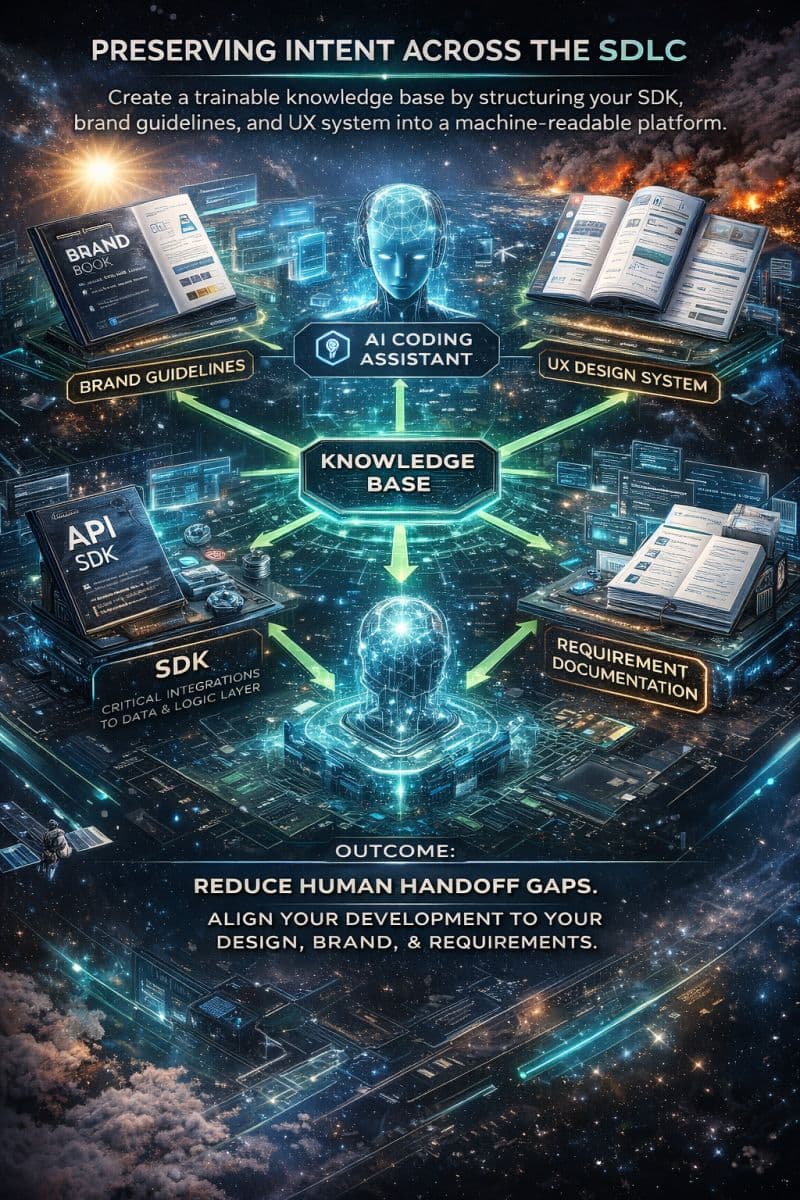
I think of this as moving toward vibe design thinking and vibe system design — where teams take ambiguous ideas and shape them into consistent, scalable systems across UX, services, and data.
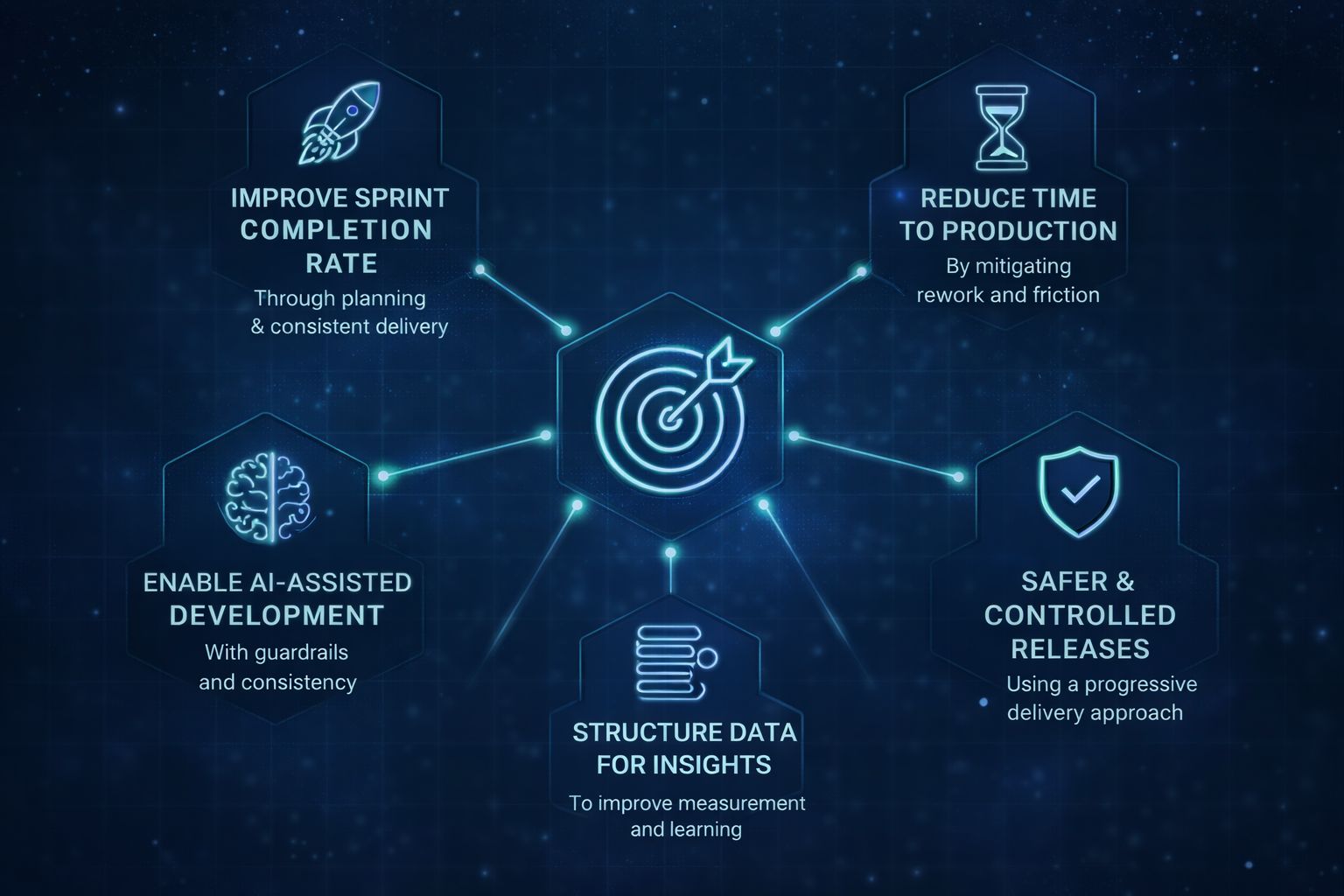
The real opportunity isn't just speed, it's reducing friction across the entire system:
- Higher sprint completion rates because work is clearer
- Faster time-to-production because less rework is needed
- Safer releases because patterns are consistent and controlled
Speed without sacrificing integrity
But there's an important balance.
In domains like healthcare or payments, integrity matters. You can't trade reliability or trust for speed. The goal isn't "move fast and break things" — it's move fast because the system is designed to handle it.
The teams that win won't just adopt AI tools. They'll redesign how they build — aligning around clear outcomes, structured systems, and AI-first workflows that allow them to move faster without burning out people or compromising quality.
That's the future of engineering.
Share this post